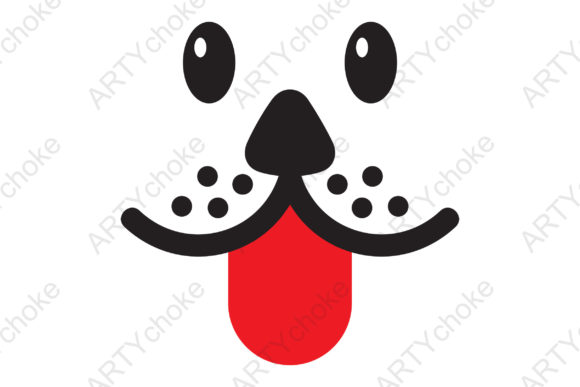
Happy Dog. SVG File Ready for Cricut
A Designer’s First Look: Friendly, Simple, and Surprisingly Versatile
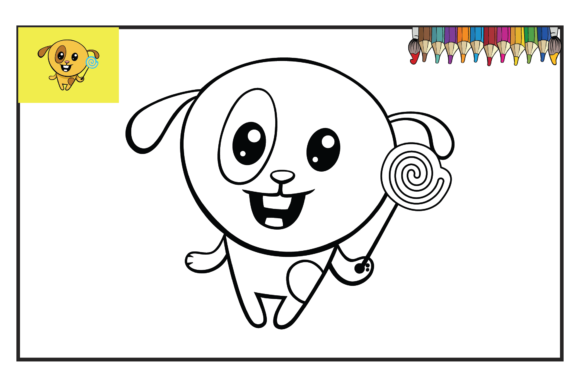
When I opened Happy Dog. SVG File Ready for Cricut, my first thought wasn’t “cute”—it was “usable.” As someone who’s stitched hundreds of dog-themed designs for Etsy sellers, boutique baby brands, and local craft fairs, I’ve seen how quickly charm turns into frustration when a design doesn’t translate from screen to stitch. This one lands cleanly: a rounded, cheerful silhouette with gentle curves, minimal internal detail, and open negative space—exactly what you want in an embroidery file that needs to hold up across fabric types and hoop sizes.
Real-World Test: Embroidering a Linen Tote Bag for a Local Pet Boutique
Last week, I used Happy Dog. SVG File Ready for Cricut as the centerpiece for a set of custom linen tote bags—part of a small-batch launch for a neighborhood pet shop. I converted the SVG to a machine embroidery design using my standard workflow (vector trace → digitize → optimize for fill and satin stitch balance), then stitched it on medium-weight linen with tear-away stabilizer. The result? A crisp, friendly profile that read clearly at 3.5 inches wide—even from across the room. Customers loved the warmth and simplicity; no one mistook it for generic clip art. That’s the quiet strength of this file: it feels handmade without demanding expert-level digitizing skills.
Where It Shines—and Where to Pause
Happy Dog. SVG File Ready for Cricut works beautifully for:
- Custom apparel: Sweatshirt embroidery and toddler onesies benefit from its clean lines and forgiving scale.
- Embroidered patch production: Its balanced shape and moderate detail level stitch consistently on twill or felt backings.
- Baby embroidery: Gentle curves and no sharp angles make it ideal for nursery decor, burp cloths, or personalized bibs.
- Holiday and gift embroidery: Paired with a simple “Best Friend” script, it elevates tea towels, pillow covers, and kitchen aprons for pet-loving clients.
- Craft business scalability: As a digital embroidery file, it integrates smoothly into printable mockups and product listings—especially for Etsy sellers building themed collections.
But here’s where attention matters:
- Small hoop sizes: At under 2.5 inches wide, it fits most 4×4 hoops—but avoid shrinking it below 2 inches. Tiny ears and muzzle details can blur or skip stitches on dense fabrics.
- Textured or stretchy fabric: On terry cloth towels or jersey knit tees, use cut-away stabilizer and reduce stitch density slightly. The design’s open areas help—it doesn’t fight the fabric.
- Dark fabric: Test thread colors carefully. A soft mustard or warm grey reads friendlier than stark white on navy or charcoal.
- Curved surfaces: For caps or curved mugs (if heat-transfer applied), keep placement high on the front panel—its horizontal orientation avoids distortion better than vertical motifs.
What It Adds to Your Finished Product—Beyond the Stitch
This isn’t just another dog graphic. As an Illustrations-category asset, Happy Dog. SVG File Ready for Cricut carries subtle emotional weight: approachable, timeless, and quietly professional. When stitched onto a cotton apron for a vet clinic’s staff gift, it communicated care—not kitsch. On a baby blanket, it felt tender, not cloying. That tone directly impacts customer trust and brand consistency, especially for small shop owners curating a cohesive aesthetic.
It also supports giftability. Unlike hyper-detailed portraits or trend-driven fonts, this design won’t date quickly. Buyers recognize sincerity in simplicity—especially when they’re purchasing a personalized gift. And for digital product sellers, it’s a strong anchor piece: pair it with coordinating paw prints or bone motifs (as Graphics) to build a mini collection without visual fatigue.
Practical Notes Every Embroidery Designer Should Check
Before stitching your first batch—or listing a finished product online—take these steps:
- Test on scrap fabric first, especially if using textured weaves or blends. Watch how the satin stitch wraps the outer curve.
- Review stitch density in your embroidery software. If the original SVG wasn’t pre-digitized, avoid overloading fill areas—this design thrives on breathing room.
- Confirm hoop size compatibility. While it scales well, verify your target hoop before finalizing placement on garments like caps or sleeves.
- Inspect small details like the eye and ear tip in your digitized version—these are easy to lose in auto-trace workflows.
- Test black-and-white mockups to assess contrast and legibility across backgrounds.
- Use proper stabilizer: medium-weight cut-away for knits, tear-away for stable wovens, and fusible + tear-away for lightweight linens.
- Check licensing before selling finished items or digital embroidery files. Since the description states it’s for “craft works such as wood signs, mugs, cards, party decor, t-shirts,” confirm whether commercial embroidery rights are included—many SVG sellers restrict resale of stitched goods unless explicitly permitted.
Final Thought: A Reliable, Human-Centered Design Asset
Happy Dog. SVG File Ready for Cricut won’t wow you with complexity—but it earns respect through reliability. It’s the kind of design that disappears into your product while lifting its appeal: clear at a glance, durable after washing, and emotionally resonant without trying too hard. For embroidery designers juggling client deadlines, Etsy sellers refreshing seasonal listings, or crafters building a signature style, it’s less of a “file” and more of a thoughtful tool—one that helps your handmade product feel intentional, warm, and unmistakably yours.