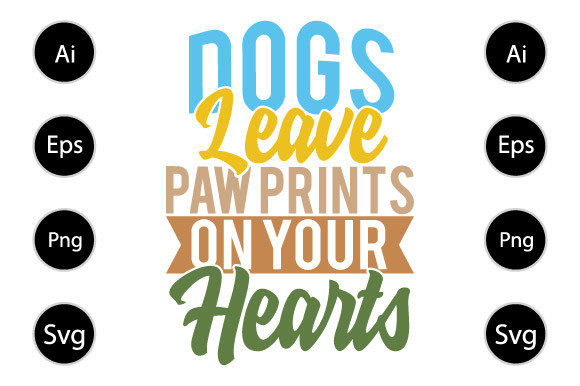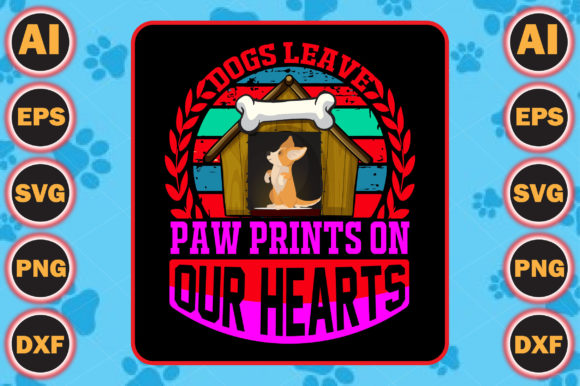
Dogs Leave Paw Prints on Our Hearts
A Designer’s First Look: Warm, Simple, and Immediately Recognizable
When I opened Dogs Leave Paw Prints on Our Hearts in my embroidery software, what struck me first wasn’t technical precision—it was emotional clarity. The layout is clean and centered: a gentle paw print nestled just above the phrase, with soft curves and balanced spacing. It doesn’t shout; it smiles. That matters—especially when you’re stitching for real people who want warmth, not clutter. As a designer who’s stitched hundreds of pet-themed pieces, I know this kind of restraint is rare—and valuable. It reads instantly as handmade, heartfelt, and intentional—not generic or rushed.
Where This Design Truly Shines in Real Projects
I recently used Dogs Leave Paw Prints on Our Hearts on a set of linen tea towels for a local boutique’s spring launch. The result? Consistent stitch definition, zero puckering, and customers stopping mid-aisle to ask, “Is that custom?” That’s the quiet power of this design: it elevates everyday items without overwhelming them. It works beautifully on:
- Tote bags—the moderate width fits standard 4x4 hoops, and the open lettering breathes well on canvas;
- Sweatshirts and baby onesies—the rounded edges soften against textured fleece or delicate cotton;
- Embroidered patches—its clear silhouette holds up cleanly when cut and fused;
- Pillow covers and nursery decor—it feels tender without being cutesy, making it versatile across age groups;
- Holiday gifts and wedding favors—pair it with neutral thread (ecru on oatmeal linen, charcoal on heather gray) and it reads timeless, not seasonal.
For Etsy sellers and small shop owners, this is a low-risk, high-resonance asset. It converts well in listings because buyers recognize the sentiment immediately—and that cuts through digital noise.
Where to Proceed With Care
That said, Dogs Leave Paw Prints on Our Hearts isn’t universally forgiving—and that’s okay. Good design judgment means knowing its edges. Here’s where I slow down:
- Small hoop sizes under 3.5 inches: The paw print detail tightens noticeably. On a 3x3 hoop, I’d simplify the inner curve or reduce stitch density manually.
- Stretchy fabrics like knits or lightweight jerseys: The phrase relies on clean line integrity. Without proper cutaway stabilizer and reduced top tension, letters can blur. Always test on scrap first.
- Dark or heavily textured fabrics: The design’s subtle curves don’t pop as strongly on black terry cloth or burlap unless you boost contrast with bright thread—or add a simple satin-stitch outline.
- Caps and curved surfaces: The centered layout works best on flat or gently contoured areas (front panels, pockets). Avoid placing it high on a crown unless you’ve digitized a version optimized for cap hoops.
- Frequent-wash items like baby bibs or kitchen towels: Check stitch density in the paw print fill area—if it’s overly dense, it may stiffen over time. A light fill stitch with strategic running-stitch accents often wears better than heavy satin coverage.
What It Adds to Your Finished Product—Beyond Aesthetics
This isn’t just a graphic—it’s a subtle trust signal. When customers see Dogs Leave Paw Prints on Our Hearts stitched cleanly on a handmade apron or personalized tote, they read care, consistency, and emotional intelligence. That builds perceived value faster than any tagline. For craft businesses, it strengthens brand voice: warm but polished, personal but professional. For holiday embroidery or wedding gifts, it adds sincerity without cliché. And for digital product sellers, it’s a strong candidate for printable mockups—its simplicity renders clearly in grayscale previews and social thumbnails.
Practical Notes Every Embroidery Designer Should Run Through
Before committing to production—or listing it as part of your craft business assets—here’s my checklist:
- Test on scrap fabric matching your final substrate (e.g., medium-weight cotton twill for tote bags, interlock knit for baby onesies);
- Review thread color contrast—try it in both light and dark thread on a single swatch to gauge legibility;
- Confirm hoop size compatibility with your machine and intended placement (don’t assume it fits a 4x4 if your file preview shows 4.1” width);
- Inspect small details at 200% zoom: are the paw print lines crisp? Do the letter terminals taper cleanly?
- Use proper stabilizer—cutaway for knits, tear-away for stable wovens, and fusible for lightweight linens;
- Check licensing before selling finished embroidered items or bundling this as part of a digital embroidery file pack—this is a Graphics product meant for Crafts, not necessarily commercial redistribution;
- Compare black-and-white mockups—if it holds visual weight in grayscale, it’ll translate reliably across fabric colors and lighting conditions.
Final Thought: A Quiet Workhorse, Not a Flashy Gimmick
Dogs Leave Paw Prints on Our Hearts won’t dominate a trade show booth—but it will quietly sell out at your next craft fair. It’s the kind of embroidery file that earns repeat orders from loyal customers because it feels *true*. Whether you’re stitching a personalized gift for a grieving pet parent, branding a small-batch apparel line, or building a curated Etsy shop of heartfelt handmade products, this design earns its place by doing one thing exceptionally well: connecting with people, stitch by thoughtful stitch.