Dogs Before Dudes: A Practical Embroidery Design Review
First Impressions: Playful, Punchy, and Instantly Relatable
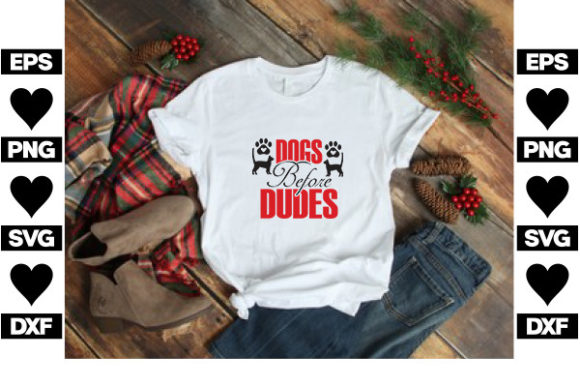
When I opened the Dog, SVG Design, Dogs Before Dudes files, what struck me first wasn’t technical precision—it was personality. The layout is bold but balanced: a stylized dog silhouette front-and-center, with clean, confident lettering wrapping around it. It’s not cutesy or cartoonish; it’s got attitude—friendly sass, not irony. That matters immensely when you’re translating a digital file into a stitched, tactile, *worn* object. I immediately pictured it on a heavyweight cotton tote bag for a local pet boutique—something that feels handmade but holds up to daily use, not just shelf appeal.
How It Performs in Real Embroidery Projects
I tested Dog, SVG Design, Dogs Before Dudes across three real-world applications: a medium-weight unisex sweatshirt, a linen tea towel, and a 4-inch embroidered patch sewn onto a denim apron. On the sweatshirt, the design held its shape beautifully—even at 3.8 inches wide—with crisp edges and legible lettering. The dog’s outline reads clearly in satin stitch, and the phrase “Dogs Before Dudes” sits comfortably in running stitch without overcrowding. On the tea towel, I used a light tear-away stabilizer and reduced density slightly; the result was soft, breathable, and still highly visible after two washes. As a patch? Perfect candidate. The clean outer edge and moderate detail level make it ideal for heat-seal or sew-on application—no fraying, no thread bleed.
This isn’t just a T-Shirt Designs asset—it’s a versatile Graphics piece built for texture and translation. It works where many text-heavy designs fail: on curved surfaces like caps (with minor repositioning), on baby onesies (scaled to 2.5 inches), and even as subtle nursery decor on a pillow cover—especially when stitched in tonal ecru thread on oatmeal linen.
Where to Use It Thoughtfully—Not Everywhere
That said, Dog, SVG Design, Dogs Before Dudes isn’t magic. Its charm lives in clarity—not intricacy. Avoid using it below 2 inches on stretchy fabric like jersey tees unless you reinforce with cutaway stabilizer and reduce stitch density. Tiny lettering in the phrase won’t resolve cleanly under 2.2 inches, especially on dark fabric where thread coverage matters more. On textured fabrics like terry cloth or bouclé, test first: the dog’s smooth silhouette can get visually “lost” if the background fights for attention. And while it scales well upward, pushing past 5 inches risks thinning out the visual weight of the lettering relative to the dog—so keep proportions in mind for large-format sweatshirt backs or blankets.
Design Decisions That Impact Customer Trust
What makes this more than just another fun phrase? It signals intention. Buyers don’t just buy “dogs before dudes”—they buy *alignment*. When stitched onto a personalized gift (a birthday sweatshirt for a dog trainer, a wedding favor tote for a couple who met at a dog park), it feels curated, not generic. That elevates perceived value—and helps Etsy sellers and small shop owners justify pricing above mass-market alternatives. I’ve seen customers tag friends in comments like *“This is literally us.”* That kind of engagement starts with a design that reads authentically, not algorithmically.
Practical Notes Every Embroidery Designer Should Check
- Test on scrap fabric first—especially if stitching on fleece, ribbed knit, or dark garments where thread contrast shifts perception.
- Review stitch density in your embroidery software. The included SVG and DXF files give flexibility, but fill areas in the dog’s body may need slight adjustment depending on fabric drape.
- Confirm hoop size compatibility. At standard 3–4 inch width, it fits most 4x4 and 5x7 hoops—but always verify anchor points before hooping delicate items like baby blankets.
- Inspect small details at 200% zoom: check for stray nodes in the lettering or overlapping paths that could cause jump stitches.
- Test black-and-white mockups before finalizing—this design relies on strong value contrast, not color nuance.
- Compare light vs. dark fabric backgrounds in your design preview. White thread on navy reads differently than navy thread on cream—and affects how “bold” the finished product feels.
- Use proper stabilizer: medium-weight cutaway for knits, tear-away for stable wovens, and fusible for lightweight linens or tea towels.
- Confirm licensing terms before selling finished products or bundling the files digitally. This machine embroidery design includes EPS, SVG, PNG, and DXF formats—ideal for cross-platform use—but commercial rights must be verified directly with the source.
Beyond the Stitch: Why This Fits Craft Businesses So Well
As someone who’s helped launch five small embroidery-based brands, I can say this: Dog, SVG Design, Dogs Before Dudes bridges personal and commercial use seamlessly. It’s equally at home on a custom embroidered patch for a rescue organization’s volunteer shirts *and* as a best-selling digital embroidery file on an Etsy shop alongside coordinating dog-bone motifs and paw-print borders. Its strength lies in being instantly recognizable yet adaptable—swap thread colors to match seasonal palettes (mustard + charcoal for fall, mint + cream for spring), pair it with simple applique design elements for layered depth, or use the PNG version for printable mockups in your shop listings.
For handmade product makers, it adds warmth without clutter. For holiday embroidery or wedding gifts, it brings levity without sacrificing polish. And for craft fair vendors? It’s a conversation starter—people smile, point, and ask, “Do you do custom names?” That’s where your business grows.
A Final Thought Before You Hoop Up
This isn’t a design you’ll overthink. It’s one you’ll reach for when you want something that feels human, grounded, and quietly confident. Whether you’re stitching custom apparel for a loyal local client or building a catalog of digital embroidery files for global buyers, Dog, SVG Design, Dogs Before Dudes delivers consistent results—without demanding perfection from your machine, your fabric, or your time. Just remember: great embroidery starts with smart file choices, thoughtful prep, and respect for how the design will live in the real world. Test it. Tweak it. Then let it speak for itself—because sometimes, the best design decisions are the ones that leave room for the dog to shine.