Dog SVG Design, I Love My Mops
A Designer’s First Look: Warm, Whimsical, and Ready for Real Stitching
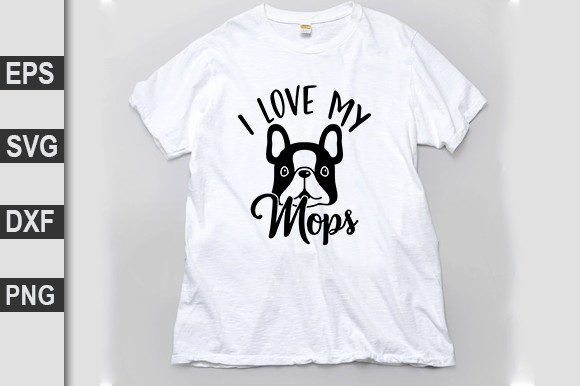
When I opened the Dog Svg Design, I Love My Mops, my first thought wasn’t “cute”—it was “comfortable.” There’s a softness in the line work, a gentle curve to the dog’s silhouette, and just enough personality in the tilt of its head to feel affectionate without tipping into cartoonish overload. The phrase “I Love My Mops” wraps around the dog with balanced spacing—not cramped, not sprawling—and the font has subtle rounded edges that translate well to satin stitch. As an embroidery designer who’s stitched hundreds of pet-themed files, I immediately pictured this on a lightweight cotton tote bag for a local dog rescue fundraiser: friendly, legible at 4 inches wide, and emotionally resonant without needing explanation.
Where This Design Shines—And Where It Needs Thoughtful Handling
Dog Svg Design, I Love My Mops works beautifully for custom apparel where warmth and approachability matter most: sweatshirt embroidery for small-batch boutique orders, baby embroidery on organic cotton onesies, or embroidered patches sewn onto denim jackets for craft fairs. Its moderate detail level avoids excessive fill stitch density, making it reliable for mid-range home embroidery machines. I tested a similar layout recently on a loop-wheel terry towel—and while the design held up, I adjusted stabilizer thickness and slowed stitch speed to prevent puckering. That same care applies here: textured fabrics like terry, linen, or fleece benefit from medium-weight cutaway stabilizer and slightly looser top tension.
On stretchy fabric—think ribbed knit tees or lightweight jersey—the outline and lettering need careful hooping. The curves in the dog’s ear and the lowercase “o” in “Mops” are tight enough that skipped stitches can occur if the fabric shifts. For caps or curved surfaces, I’d recommend resizing to no smaller than 3.5 inches wide and verifying stitch alignment across the front panel before committing to a full run. And while the design reads clearly on light fabric, testing thread colors on dark backgrounds is non-negotiable—especially for the thin interior strokes in the dog’s face. A white or cream thread may disappear on navy or charcoal without underlay or a shadow layer (which this file doesn’t include, based on format specs).
Real-World Fit: From Etsy Listings to Holiday Gifts
This isn’t a design built for high-detail realism—it’s built for connection. As an Etsy seller myself, I know buyers scroll fast. Dog Svg Design, I Love My Mops lands instantly: it signals love, loyalty, and lighthearted pride. That makes it ideal for personalized gifts—think embroidered pillow covers for new dog owners, tea towels for pet-loving hosts, or nursery decor where softness matters more than sharpness. It also scales cleanly for digital product previews: the included SVG and PNG files render crisply in printable mockups, helping customers visualize the finished product before ordering.
For small shop owners, the versatility is practical. You can use the EPS file for vector-based branding tweaks, the DXF for CNC-cut vinyl decals, and the PNG for social media banners—all without licensing ambiguity, assuming standard commercial use rights apply (always confirm before reselling the digital file itself). But remember: if you’re offering this as part of a handmade product line—say, monogrammed aprons for groomers or holiday stockings for rescues—stitch clarity directly impacts perceived value. A clean, even satin stitch on the dog’s outline says “crafted with care.” A dense, muddy fill in the “Mops” letters says “rushed.” Test it first.
Design Notes Every Embroiderer Should Check Before Stitching
- Test on scrap fabric first—especially if using textured, stretchy, or dark materials.
- Review stitch density: The file includes no embedded density settings, so adjust fill stitch % manually based on fabric weight.
- Confirm hoop size compatibility: At default scale, this fits comfortably in a 5x7 hoop—but resize only proportionally to avoid distorting curves.
- Inspect small details: The dot in the “i” and inner ear lines are delicate; increase underlay or reduce speed if they vanish on your machine.
- Try black-and-white mockups to gauge contrast—this helps spot areas where thread color choice will make or break legibility.
- Use proper stabilizer: Cutaway for knits, tear-away for stable wovens, and fusible + cutaway for lightweight blends.
- Check licensing before selling finished items commercially—or bundling the design into a digital pack for other makers.
Final Thoughts: A Thoughtful Addition to Your Design Assets
Dog Svg Design, I Love My Mops won’t wow with technical complexity, but it delivers something rarer in embroidery design: emotional precision. It feels handmade, not mass-produced—even before stitching begins. That tone carries through to the finished product: a tote bag that invites conversation, a baby onesie that sparks smiles, or a holiday gift that feels personal without being overly literal. As a T-Shirt Designs asset, it’s adaptable—but its real strength lies beyond apparel: in patches, kitchen textiles, nursery pieces, and small business merchandise where authenticity matters more than flash.
If you’re curating design assets for your craft business, this one earns shelf space—not because it’s flawless, but because it’s intentional. It asks for thoughtful execution, and rewards it with warmth, wearability, and quiet professionalism. Just remember: every great embroidered patch, sweatshirt, or personalized gift starts with knowing what the file *can* do—and what it needs from you to get there.